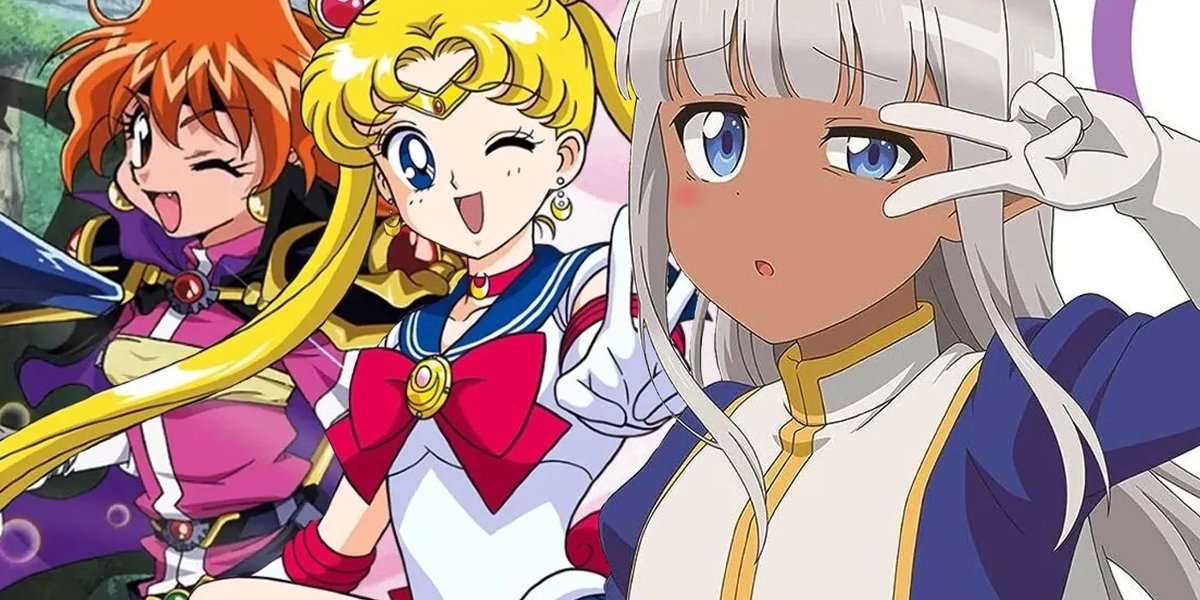
The way we see women on screen has transformed dramatically, and nowhere is this evolution more vibrant and impactful than in the realm of modern fantasy cinema. We're witnessing a profound Thematic Influence: Female Leads in Modern Fantasy Cinema, moving past simplistic archetypes to present characters who are complex, multifaceted, and undeniably powerful.
No longer relegated to the sidelines, female leads in fantasy films now drive narratives with their intellect, courage, and unique magic, mirroring and often leading shifts in our own societal understanding of gender, identity, and power. This isn't just about showing women who can wield a sword; it's about exploring the depths of their autonomy, their emotional landscapes, and their capacity to shape entire worlds.
At a Glance: Key Takeaways
- From Passive to Proactive: Female leads have moved beyond one-dimensional roles like the "damsel in distress" to become complex, central protagonists.
- Fantasy's Unique Role: The genre provides a rich canvas for female characters to challenge traditional gender norms, explore magical abilities, and redefine heroism.
- Beyond Physical Strength: Modern fantasy emphasizes diverse forms of female power, including intellect, emotional resilience, strategic thinking, and moral conviction.
- Driving Their Own Stories: These characters actively pursue their goals, make critical decisions, and ultimately control their destinies, rather than serving as plot devices for male heroes.
- A Broader Spectrum of Identities: The push for diversity extends beyond gender, embracing racial, sexual, and cultural identities, creating more authentic and relatable portrayals.
- Challenges Remain: Despite progress, the industry still grapples with issues like male domination behind the scenes, persistent tropes, and pay disparities.
- Audience Power: Viewer support for these nuanced, female-led stories is crucial for continued evolution and a more equitable cinematic future.
The Long Journey: From Fainting Heroines to Fearless Protagonists
For decades, the cinematic landscape often presented women in fantasy, much like other genres, through a narrow lens. Think Fay Wray clinging to King Kong, a portrait of vulnerability, or even Scarlett O'Hara, whose strength was often entwined with manipulation or romantic pursuits. These early depictions, while iconic, largely confined women to roles either as objects of desire, fragile beings in need of rescue, or the femme fatale – a powerful figure whose influence was often sinister and ultimately punished.
The late 20th century began to chip away at these rigid molds. Characters like Ellen Ripley in Alien (1979) emerged as a groundbreaking anomaly, embodying intelligence and grit without being defined by traditional femininity. She wasn't a love interest; she was the survivor, the leader. The 1990s continued this momentum, with films like Thelma & Louise (1991) showcasing women as catalysts for their own narratives, making impactful decisions, albeit within a drama rather than fantasy. Sandra Bullock's role in Speed (1994) further solidified the idea of a capable, quick-thinking female lead.
The turn of the millennium brought a significant expansion in complexity. We saw Elle Woods in Legally Blonde (2001) charmingly dismantling sexist assumptions with her intelligence, and Natasha Romanoff, Black Widow, transitioning from a secondary character to a capable, morally complex superhero across the Iron Man and Avengers series. Even characters like Amy Dunne in Gone Girl (2014) pushed boundaries, presenting a female protagonist who was flawed, morally ambiguous, and terrifyingly in control of her own dark narrative. Whether seeking self-discovery like Elizabeth Gilbert in Eat Pray Love (2010) or leading a rebellion like Katniss Everdeen in The Hunger Games (2012), female characters were increasingly owning their stories, making them the undeniable center of the cinematic universe.
Why Fantasy is the Perfect Crucible for Female Empowerment
Fantasy isn't just about magic and mythical creatures; it's a genre built on challenging reality, exploring the impossible, and often, redefining power structures. This inherent malleability makes it an ideal canvas for female leads to break free from real-world constraints and traditional gender expectations. In a world where anything is possible, why should gender define one's destiny?
Here, women aren't just reacting to a male-dominated world; they are shaping fantastical realms, wielding ancient powers, and leading armies. The very rules of existence are often in their hands, allowing for narratives where female strength, intelligence, and autonomy can be explored without the baggage of contemporary social norms. This freedom to imagine allows filmmakers to craft truly revolutionary female archetypes.
Consider a classic like The Last Unicorn (1982). While animated, it's a poignant exploration of identity, freedom, and the struggle for women's power through the eyes of a mythical creature. The unicorn's quest to understand her own kind and resist transformation becomes a powerful metaphor for female self-discovery and agency, often with the support of complex female allies and adversaries.
Even seemingly traditional stories subvert expectations. The Princess Bride (1987), a beloved cult classic, features Buttercup who, despite starting as a more conventional princess, demonstrates significant resilience and courage. While she initially faces perils, her spirit and determination are undeniable, slowly but surely challenging the "damsel-in-distress" trope with her unwavering resolve.
Then there’s the raw, visceral power explored in films like The Witch (2015). Set in a historically tense 17th-century New England, it’s a chilling narrative that delves deep into female autonomy and the societal fear of women's power through the lens of witchcraft. The protagonist’s journey isn't just about survival; it's about a young woman finding her own defiant voice and power in a world determined to control or condemn her.
Beyond the Sword: Redefining Strength and Leadership
Modern fantasy cinema understands that strength isn't solely physical. While female warriors who can outfight their male counterparts are certainly inspiring, the thematic influence extends to intellectual prowess, emotional resilience, strategic thinking, and moral fortitude. These are the qualities that truly make a leader, regardless of gender.
Take the character of Tauriel in The Hobbit: The Desolation of Smaug (2013). Created specifically for the film adaptations, she introduced a much-needed injection of female empowerment into the traditionally male-dominated Tolkien universe. Tauriel isn't just a skilled archer; she's a compassionate leader who challenges the insular nature of her people, driven by a strong moral compass and a willingness to fight for what's right, even if it means defying authority.
Similarly, The Huntsman: Winter's War (2016), while a prequel/sequel, gives substantial screen time to complex, powerful female characters. Freya and Sara embody different facets of strength—one driven by grief and a desire for control, the other by loyalty and love. Their dynamic, culminating in a battle between two powerful sisters, showcases female power in both its destructive and redemptive forms.
The series The Dark Crystal: Age of Resistance (2019) brilliantly weaves multiple strong female Gelfling characters into its leading resistance movement. Characters like Rian, Deet, and Brea aren't just warriors; they are scholars, dreamers, and strategists, each contributing uniquely to the fight against oppression. Their collective intelligence, empathy, and courage are what truly make them formidable.
When you explore Gal Gadot's filmography, it’s clear how Wonder Woman embodies this multifaceted strength. She is physically powerful, yes, but her true impact comes from her unwavering belief in justice, her compassion, and her willingness to sacrifice for others. This kind of nuanced heroism moves beyond simple brawn to embrace a more holistic view of power.
Challenging the Gaze: Autonomy, Agency, and Self-Determination
One of the most significant thematic shifts is the move from female characters as objects of the male gaze to subjects of their own narratives. Modern fantasy female leads actively pursue their goals, make their own critical decisions, and chart their own destinies, rather than simply existing to further a male protagonist's story.
Even in films that feature a male lead, female characters often carve out significant spaces of autonomy. In The Princess of Mars (2012), while the story centers on John Carter, Dejah Thoris, Princess of Helium, is far from a passive figure. She is an intelligent scientist, a fierce fighter, and a leader who passionately fights for her people's freedom, demonstrating both bravery and a profound intellect. She’s a co-protagonist, not a sidekick.
Then there's the bold satire of The Love Witch (2016). This film intentionally plays with female agency and the male gaze by having a witch use magic to find love, manipulating men to her will. It’s a subversive exploration of male-female dynamics, where the female protagonist is unequivocally in control, even if her methods are unconventional and darkly humorous.
And what about a character like Akasha in The Queen of the Damned (2002)? As an ancient vampire queen, she embodies pure, unadulterated power and an unapologetic struggle for female sovereignty. Her dominion is absolute, her desires unconstrained, making her a formidable figure who dictates the terms of existence for those around her.
This shift in agency is profoundly inspiring. It shows audiences that women can be the architects of their own adventures, the solvers of their own problems, and the heroes of their own stories. For instance, in The Princess (2022), a modern fairy tale flips the script entirely. The princess doesn't wait for a prince; she actively fights her way out of a tower, using martial arts and cunning to save herself and her kingdom. It's a visceral, unapologetic display of self-rescue and self-determination.
The Power of Perspective: Intersectionality and Nuance
The evolution of female leads isn't just about gender; it’s critically about diversity and representation across a spectrum of identities. The goal is to move beyond the "token independent heroine" to include varying racial, sexual, and cultural identities, ensuring that more people see themselves authentically represented on screen. This intersectional approach enriches the thematic landscape of fantasy cinema, making stories more relatable and universally resonant.
While not strictly fantasy, the context of films like Black Panther (2018) is vital. Its depiction of powerful women of color like Okoye and Shuri, leading and innovating within a technologically advanced African nation, reverberated across all genres, including fantasy. These characters showcased intelligence, leadership, and strength without conforming to white, Western ideals of beauty or heroism.
The drive for authentic portrayal extends beyond race. The Shape of Water (2017) presented a mute protagonist, Elisa Esposito, whose story was not defined by her disability, but by her empathy, resilience, and unique connection to another being. This commitment to depicting diverse experiences fosters self-empowerment and a profound sense of belonging for audiences who rarely see themselves centered in narratives.
This focus on diverse perspectives brings nuance to the storytelling. When female characters come from varying backgrounds and experiences, their motivations, struggles, and triumphs become richer and more complex. It's about showing that there isn't just one way to be a powerful woman; there are myriad ways, each valid and inspiring. Understanding Emma Watson's journey as an actress and activist, for instance, highlights how public figures championing these values can influence how characters are written and perceived.
Behind the Scenes: The Unseen Battle for Equity
While the on-screen changes are celebrated, it's crucial to acknowledge that the journey towards true equity in cinema is far from over. The global film industry remains significantly male-dominated behind the scenes. A 2022 study by the Center for the Study of Women in Television and Film, for example, found that only a small percentage of directors for top-grossing films were women. This imbalance impacts the stories that get told, the perspectives that are prioritized, and even the character development of female leads.
Persistent tropes still surface, such as the "cool girl" who exists to prove she's "one of the guys," the token woman in an otherwise male cast, or the "strong but emotionless" heroine who lacks depth and vulnerability. While a woman doesn't have to be emotional to be strong, reducing her to a stoic stereotype misses the opportunity for rich character development.
Addressing these challenges requires a concerted effort to support more intersectional stories and allocate resources to underrepresented filmmakers – women directors, writers, and producers. Streaming platforms, with their voracious demand for content, have begun to play a vital role here. They offer avenues for nuanced storytelling that might not find a home in traditional studio systems. Shows like The Queen’s Gambit (2020) and Maid (2021) demonstrate the compelling, complex narratives that emerge when women’s experiences are authentically explored.
The push for more female filmmakers is about ensuring that stories are told from diverse perspectives, leading to more authentic and resonant female characters. After all, who better to craft a character's inner world than someone who shares similar lived experiences? Learning about Angelina Jolie's impactful career as both an actress and director showcases the power of women taking control of narratives from both sides of the camera.
What's Next: The Future of Female-Led Fantasy
The trajectory is clear: the future of female leads in modern fantasy cinema is bright, nuanced, and increasingly diverse. Recent successes like Wonder Woman (which truly redefined superheroines for a new generation – you can follow Wonder Woman's cinematic timeline) and Everything Everywhere All At Once have not just broken box office records but have set new standards for what female-led stories can achieve. These films demonstrate that audiences are hungry for authentic, complex narratives that feature women as fully realized individuals, capable of extraordinary feats, deep emotional journeys, and impactful leadership.
We can expect to see an even greater push for female directors, producers, and writers to take the helm of major fantasy projects. While pay disparities and limited funding for female-driven projects remain hurdles, the increasing demand from audiences and the undeniable critical and commercial success of these films are creating an unstoppable momentum.
The focus will likely continue to expand beyond Western-centric narratives, incorporating more global mythologies and cultural perspectives. Imagine heroines drawing power from diverse folklores, or leading magical rebellions in richly imagined settings inspired by non-European traditions. This will not only enrich the fantasy genre but also broaden the appeal and thematic resonance of these powerful stories. Think about how much you can explore the Oz actress and the layers of magic and mystery associated with such iconic female characters in fantastical realms.
Your Role in the Narrative: Supporting the Evolution
This cinematic revolution isn't just for filmmakers; it's a collaborative effort that includes you, the audience. Your choices at the box office, on streaming platforms, and in your discussions about film play a crucial role in shaping the future of cinema.
Here’s how you can actively support the continued evolution of female leads in modern fantasy:
- Watch and Support: Seek out and watch female-led fantasy films and series. Stream them, buy tickets, and engage with the content. Your viewership signals to studios that there's a strong market for these stories.
- Amplify and Discuss: Talk about these films with your friends, family, and on social media. Share reviews, highlight powerful performances, and discuss the thematic impact of these characters. Positive word-of-mouth is invaluable.
- Demand Diversity: Advocate for diverse representation, not just in terms of gender, but also race, sexuality, ability, and cultural background. Let studios know you want stories that reflect the rich tapestry of humanity.
- Seek Out Female Filmmakers: Pay attention to who is behind the camera. Support films directed, written, or produced by women. Their perspectives are vital for authentic storytelling.
- Challenge Old Tropes: Be critical of films that fall back on outdated or stereotypical portrayals of women. Use your voice to highlight these issues and encourage better, more nuanced writing.
The thematic influence of female leads in modern fantasy cinema is not merely a trend; it's a fundamental shift in storytelling that reflects and inspires a more equitable and empowered world. By embracing these narratives, we contribute to a future where every woman, on screen and off, is recognized for her multifaceted strength, intelligence, and her undeniable power to shape her own destiny.
Untuk pemahaman lebih lengkap, baca panduan utama kami: Explore the Oz actress